View the recording: MEI Seminar #4 - The role of natural gas pipelines in the evolving energy system
Share via
About
The fourth seminar in our 2025 MEI Seminar Series was presented by Mark Fothergill, General Manager Gas Pipelines and Storage Engineering at APA Group.
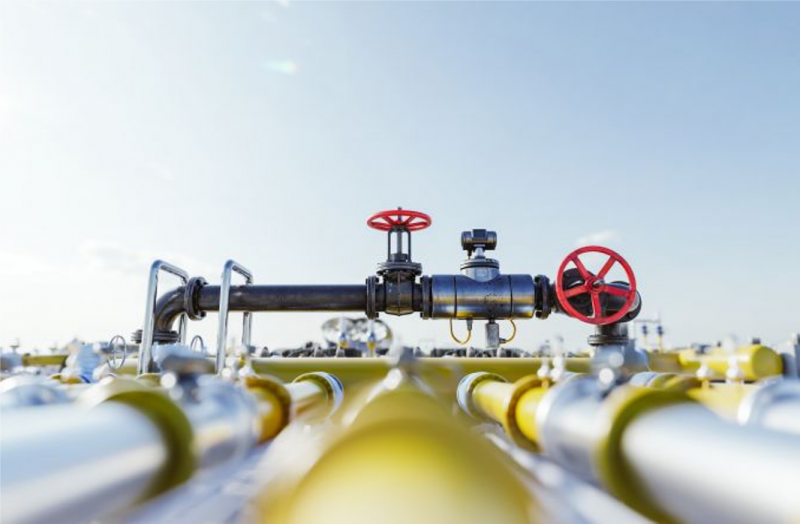
This seminar explored the role of natural gas pipelines within the evolving energy system. It discussed how gas transmission infrastructure could enhance renewable energy reliability by quickly delivering gas flows to gas-powered generation (GPG) and accommodating changes in supply patterns, as output from traditional production sources decrease.
Presenter
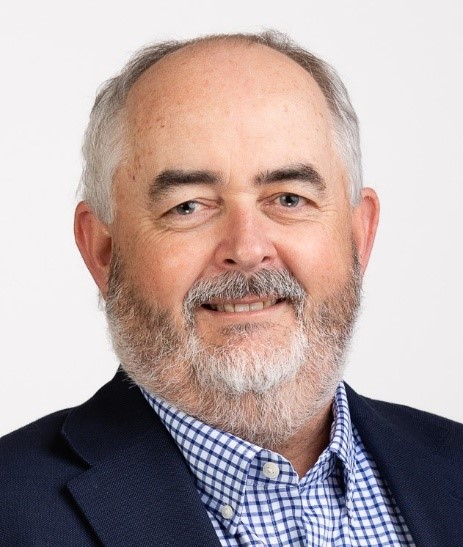
Mark Fothergill
General Manager, Gas Pipelines and Storage Engineering
APA Group
Mark Fothergill leads APA Group’s engineering effort for new gas infrastructure projects in Australia. With over 35 years’ experience in gas strategic planning, acquisitions, design and operation, he specialises in concept selection, gas pipelines operations and managing project engineering.
Since the late 1980s, Mark has been involved in the development and operation of various segments of Australia's gas pipeline network. He began his career with The Pipeline Authority in Canberra and has played active roles in projects such as the Moomba Sydney Ethane Pipeline, Victoria NSW Interconnector, Northern Goldfield Interconnector, Western Outer Ring Main, Kurri Kurri gas storage facility, and the formation of the East Coast Gas Grid.
Mark has also served as Chair of the Australian Pipeline and Gas Association's Research and Standards Committee and as a director of the Energy Pipelines CRC.
Moderator

Professor Richard Sandberg
Interim Director, Melbourne Energy Institute
Program Leader - Power Generation and Transport, Melbourne Energy Institute
Chair of Computational Mechanics, Mechanical Engineering
The University of Melbourne
Richard Sandberg is the Melbourne Energy Institute’s Interim Director and Program Lead for Power Generation and Transport. Professor Sandberg is also Chair Professor of Computational Mechanics in the Department of Mechanical Engineering at the University of Melbourne.
His main interest is in high-fidelity simulation of turbulent flows in turbomachinery and aerospace applications in order to gain physical understanding of flow and noise mechanisms. He also uses the data to help assess and improve low-order models that can be employed in an industrial context, in particular by pursuing novel machine-learning approaches.
He received his PhD in 2004 in Aerospace Engineering at the University of Arizona and prior to joining the University of Melbourne, he was a Professor of Fluid Dynamics and Aeroacoustics in the Aerodynamics and Flight Mechanics research group at the University of Southampton and headed the UK Turbulence Consortium (www.turbulence.ac.uk). He was awarded a veski innovation fellowship entitled: "Impacting Industry by enabling a step-change in simulation fidelity for flow and noise problems", was granted an Australian Research Council Future Fellowship for 2020-2024, and was elected Fellow of the Australasian Fluid Mechanics Society in 2024.
About MEI's Seminar Series - a deep dive into the energy supply chain

The aim of MEI's Seminar Series is to give participants a sound understanding of the current technical and economic factors that underpin the Australian energy system. Knowledge of these market factors is critical in determining the changes required to move towards a clean energy system.
Each year, the focus is turned to one of our primary energy vectors, cycling through the major topics of electricity, natural gas, and energy commodities.
In 2025, the focus is once again turned to the gas supply chain. The seminars are delivered by specialists from industry and the University of Melbourne. Read more about the seminars, and sign up to be notified when the seminars are open for registration.
Disclaimer: The views and opinions expressed are those of the presenter and do not necessarily reflect the official position of The Melbourne Energy Institute and The University of Melbourne.
The Melbourne Energy Institute welcomes broad discussion. Please engage respectfully and considerately with all perspectives.