View recording and slides 〉Sustainability of mining energy transition minerals
Share via
Powering the Future seminar #1
About this event
The first seminar in the Powering the Future series was presented by Dr. Nikolas Kuschnig from Monash University.
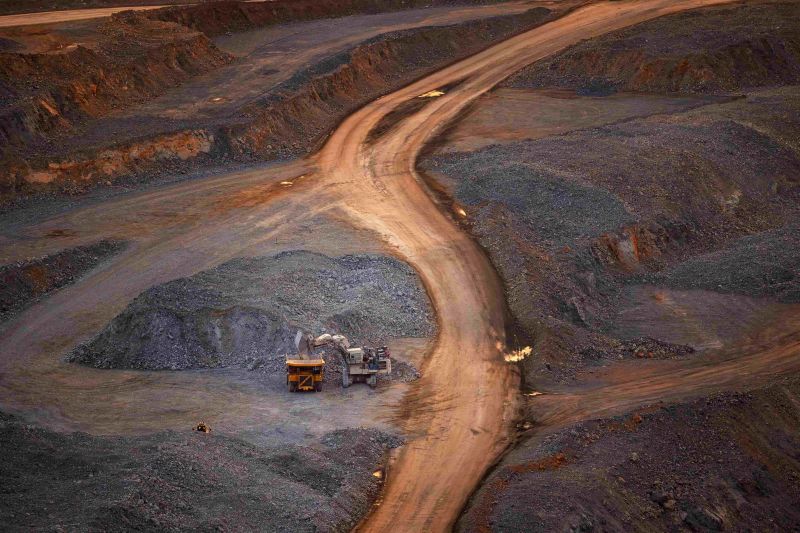
Demand for minerals is surging as the energy transition and new technologies scale up, yet we lack reliable timely information on the production of many critical minerals, especially from artisanal and small-scale mining (ASM), which is often informal and hard to observe. Some of the largest black spots involve gold and critical 3T metals (tin, tantalum, tungsten). The African Great Lakes region is central in the production of these metals, conversely it is affected by instability and conflict. As a result, we cannot yet quantify credibly and consistently, how large ASM's contribution is, how production changes over time, or how it responds to armed control, price shifts, or regulatory pressure. That uncertainty creates a fundamental gap at the first stage of metal supply chains for the energy transition.
These data gaps matter for both supply security and sustainable development. Companies and governments are pursuing more reliable, sustainable, and conflict-free sourcing; however monitoring and certification systems struggle when a significant share of production remains partially invisible. Meanwhile, ASM is closely linked to local livelihoods, environmental impacts, and conflict dynamics where supply chain decisions involve real and pressing trade-offs. The encouraging news is that recent advances in frequent high-resolution satellite imagery, machine learning and data integration make more systematic near real-time monitoring increasingly feasible, including in hard-to-access regions. The technical building blocks exist; the next step is through coordinated collaboration across research fields, industry and public institutions to turn these capabilities into credible, actionable oversight of mineral supply chains.
Speaker

Dr. Nikolas Kuschnig
Senior Lecturer
Department of Econometrics and Business Statistics
Monash University
Dr. Kuschnig's research lies at the intersection of environmental economics and applied econometrics, with a focus on spatial data, causal inference, and the economic impacts of environmental change, including deforestation and resource extraction.
Moderator
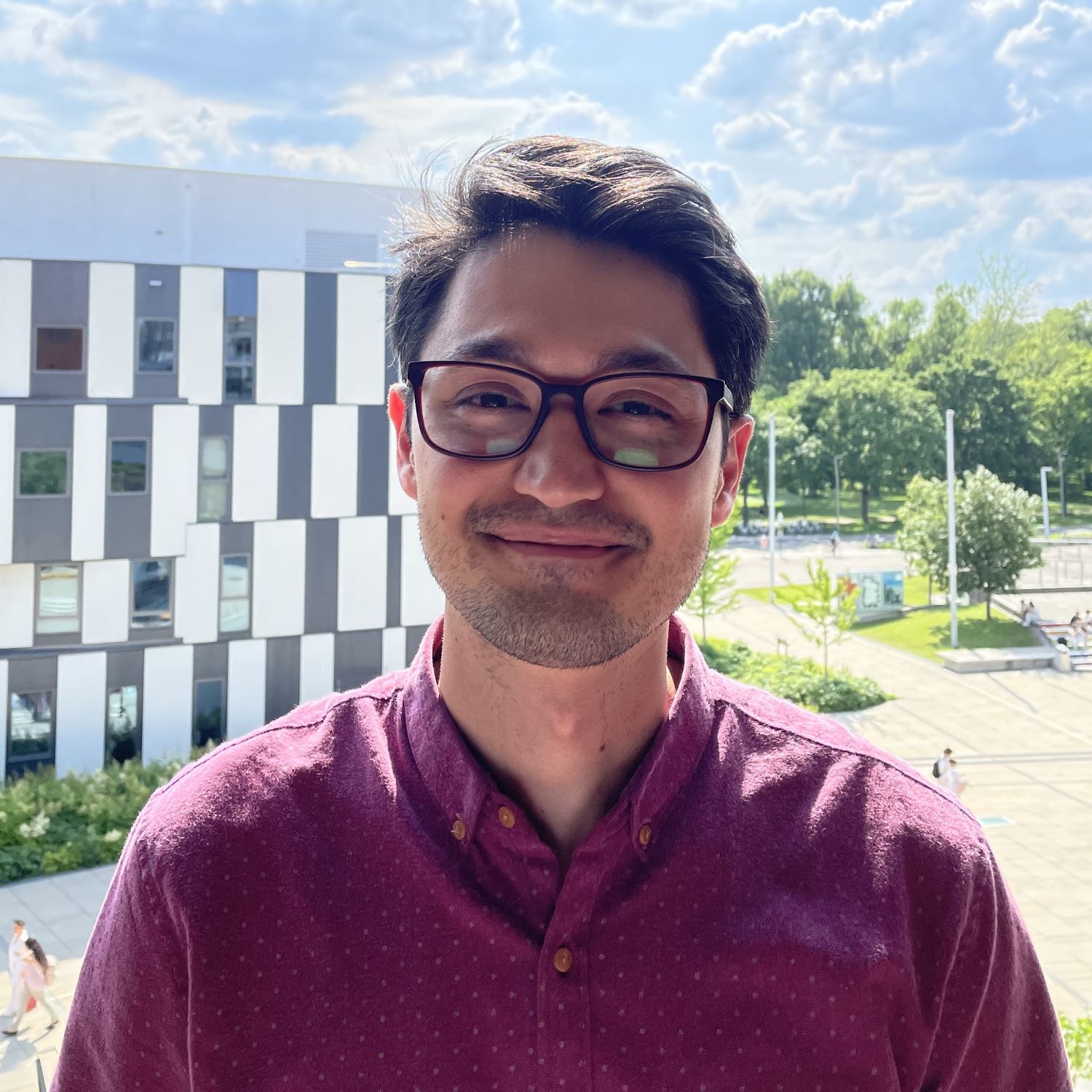
Dr. Tim Werner
Senior Lecturer In Energy Transition
School of Geography, Earth and Atmospheric Sciences, Faculty of Science
University of Melbourne
Dr. Werner's research expertise encompasses environmental engineering, geographical science, economic geology, physical geography and conservation biology. His interests span many topics, including mineral supply chain resilience and dynamics, land use changes, resource economics and governance, material recycling and waste management, and energy transition pathways. His current focus revolves around examining land use impacts of mining critical minerals.
About MEI's Powering the Future Seminar Series
Bringing together leading researchers and industry experts, MEI’s Powering the Future seminar series will explore the key technological, political and societal developments shaping the energy sector.
Designed for energy industry professionals, government stakeholders, students, and academics, the seminars aim to foster informed discussion across technical, economic and policy dimensions of the energy transition. Each session will be delivered in a hybrid format, allowing participants to attend in person or join online.
Read more about the seminars, and sign up to be notified when the seminars are open for registration.
Disclaimer: The views and opinions expressed are those of the presenter and do not necessarily reflect the official position of The Melbourne Energy Institute and The University of Melbourne.
The Melbourne Energy Institute welcomes broad discussion. Please engage respectfully and considerately with all perspectives.