The data centre boom: Balancing energy, environment and community
Share via
Picture: AdobeStock
MEI Energy Conversations Series
About this event
Join us for the inaugural seminar in MEI’s Energy Conversation Series.
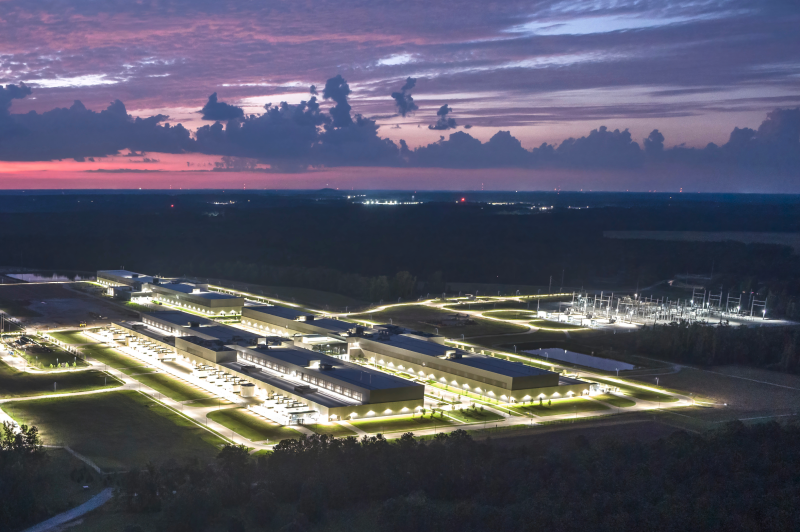
Australia is experiencing rapid growth in data centres, driven by cloud computing, artificial intelligence and the expanding digital economy. But powering this growth presents a complex challenge for Australia’s energy system. How can we accommodate rising electricity demand while maintaining an affordable, reliable and sustainable energy system?
Bringing together University of Melbourne researchers from the Faculty of Engineering and Information Technology, the Faculty of Business and Economics, the Faculty of Science, and the Faculty of Arts, the event will explore these critical questions:
- Energy demand and the power system: How can we power growing data centre demand without putting additional pressure on the grid?
- Grid economics of the data centre boom: What does the rapid growth of data centres mean for electricity markets, investment and energy costs?
- Environment and land use: Where should data centres be built, and what environmental impacts need to be considered?
- Community and public trust: How do misinformation, disinformation and public perceptions shape community acceptance?
Event details
Date: Thursday 22 October 2026 |
Registrations
Speakers
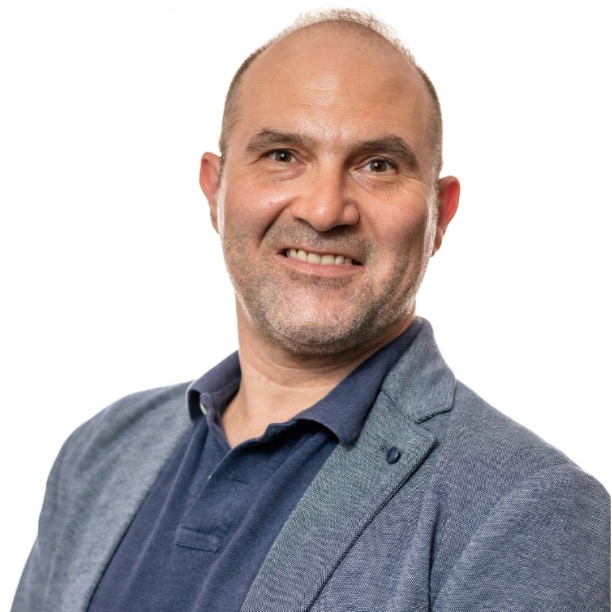
Professor Pierluigi Mancarella
Energy Systems Program Leader, Melbourne Energy Institute
Chair of Electrical Power Systems
Department of Electrical and Electronic Engineering, Faculty of Engineering and Information Technology
University of Melbourne
Prof. Pierluigi Mancarella is an internationally recognised leader in power systems and the clean energy transition. He has pioneered new approaches to integrating electricity, gas, heat and hydrogen networks, helping shape the future of low-carbon energy systems worldwide. His research has influenced energy policy, market design and infrastructure planning across Australia, the UK and Europe, including major contributions to Australia’s landmark Finkel Review.
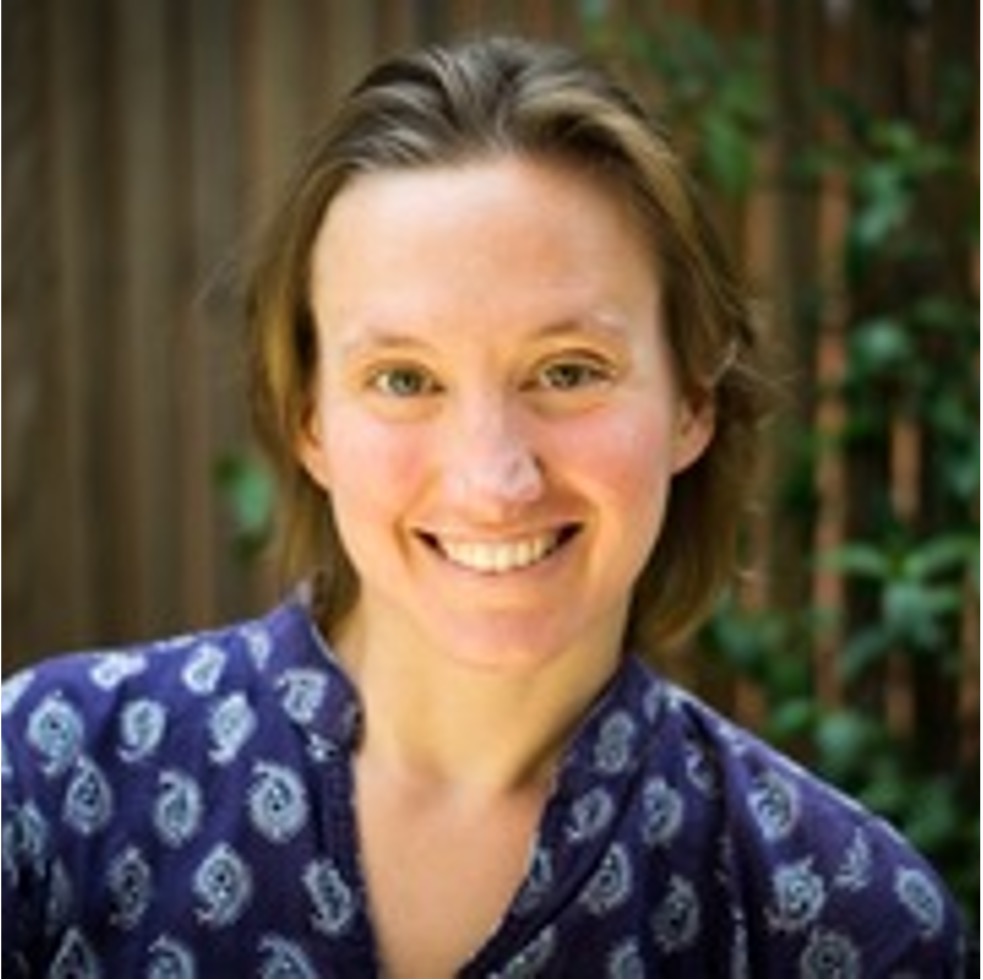
Associate Professor Leslie Martin
Associate Professor in Economics
Department of Economics, Faculty of Business and Economics
University of Melbourne
A/Prof. Leslie Martin’s research lies at the intersection of environmental, energy, international development, and industrial organisation. She is the lead investigator of MEDAL, the Melbourne Environmental Data Analytics Lab, that uses frontier data analytics and a network of industry and government partnerships to design effective economic policy for the decarbonisation of energy, transportation, and manufacturing and protection of forest and water systems.
Research Fellow in Atmospheric Composition Modelling
School of Geography, Earth and Atmospheric Sciences, Faculty of Science
University of Melbourne
Dr Robert Ryan is a researcher in atmospheric chemistry. His areas of research interest include remote sensing of atmospheric gases and aerosols, using techniques such as DOAS and Lidar from ground and satellite-based platforms, and modelling atmospheric chemistry using tools such as WRF-Chem and GEOS-Chem.
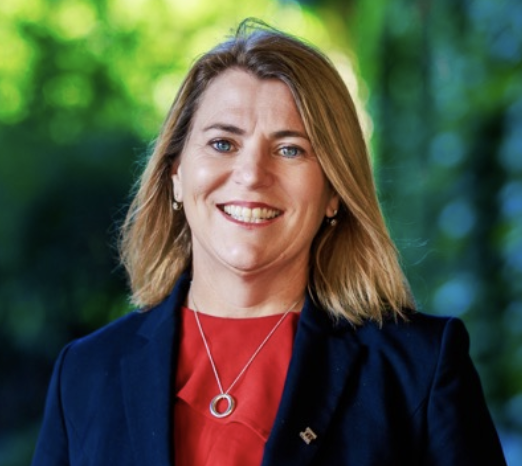
Director, Centre for Advancing Journalism
Professor in Political Communication
School of Culture and Communications, Faculty of Arts
University of Melbourne
Prof. Andrea Carson's research crosses the humanities and social sciences with a focus on information quality and its impact on democracy. She is a trained political scientist and award-winning journalist with 15 years’ experience reporting for both commercial (the Age) and public media (the ABC, RRR) organisations. She applies quantitative and qualitative methods and has written extensively about journalism, digital media, the business of news, political communication, misinformation, election campaigns, and women in media and politics in dozens of scholarly articles, edited volumes, and books.
Moderator

Director, Melbourne Energy Institute
Chair of Computational Mechanics, Department of Mechanical Engineering, Faculty of Engineering and IT
University of Melbourne
Prof. Richard Sandberg is the Melbourne Energy Institute’s Director and Chair Professor of Computational Mechanics in the Department of Mechanical Engineering at the University of Melbourne.
His main interest is in high-fidelity simulation of turbulent flows in turbomachinery and aerospace applications in order to gain physical understanding of flow and noise mechanisms. He also uses the data to help assess and improve low-order models that can be employed in an industrial context, in particular by pursuing novel machine-learning approaches.
Disclaimer: The views and opinions expressed are those of the presenter and do not necessarily reflect the official position of The Melbourne Energy Institute and The University of Melbourne. The Melbourne Energy Institute welcomes broad discussion. Please engage respectfully and considerately with all perspectives.
About MEI's Energy Conversations Series
Subscribe
If you aren't already, you can subscribe for Melbourne Energy Institute’s news and events here.