View the recording: Seminar #6 - Blue hydrogen as an alternative to natural gas

Share via
About
This sixth instalment in the 2025 MEI Seminar Series was presented by Associate Professor Simon Smart from the University of Queensland.
This seminar presented an overview of the case for blue hydrogen, a global history of its development and, a summary of the main production processes and their comparative metrics in an Australian context.
Presenter
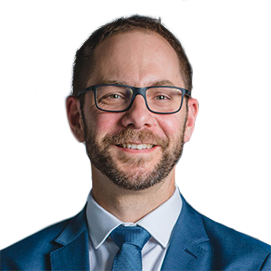
Associate Professor Simon Smart
School of Chemical Engineering
University of Queensland
Simon Smart is Deputy Director of the Dow Centre for Sustainable Engineering Innovation and an Associate Professor in the School of Chemical Engineering at The University of Queensland. He is also a Project Director for the Net Zero Australia study in collaboration with the University of Melbourne, the University of Queensland, and Princeton University. His research is centred around the sustainable production and use of energy and chemicals – including the development of enabling technologies and processes for the production of clean energy, materials and water.
Simon’s technical research involves the design and development of inorganic membranes and hybrid nanocomposite materials for gas and water separation; as well as the use of molten metals and molten salts as liquid catalysts for clean hydrogen production through methane pyrolysis and CO2 utilisation to produce syngas through dry reforming. He has been involved in the Rapid Switch initiative, in relation to pathways to decarbonisation of the global economy, since its inception at the UQ Dow Centre for Sustainable Engineering Innovation.
Moderator
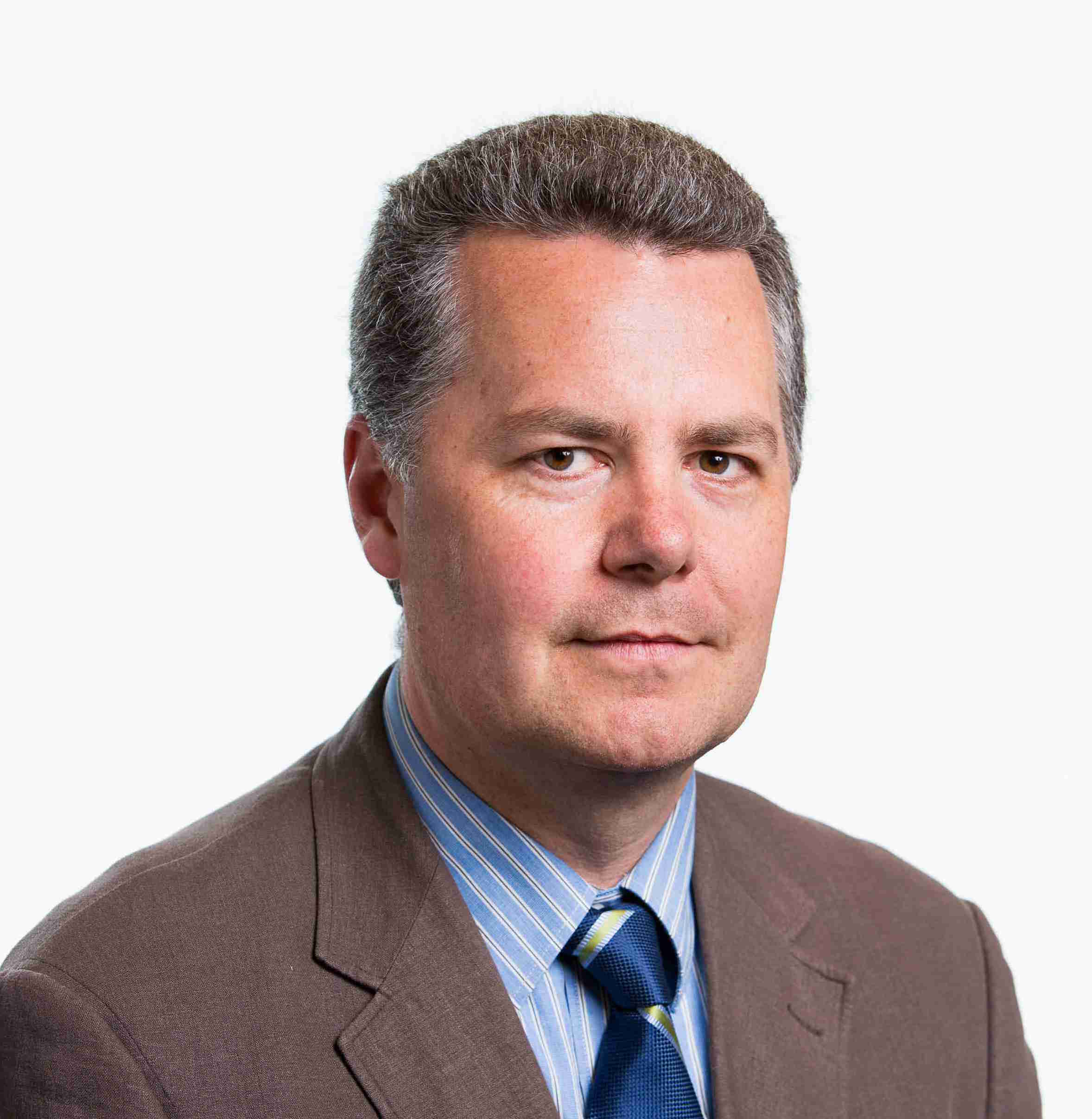
Professor, Mechanical Engineering
The University of Melbourne; and
Net Zero Australia Project Director
Professor Michael Brear FTSE FCI FIEAust is a mechanical engineer at the University of Melbourne. His work focuses on:
- the technical, economic and environmental analysis of transport, energy and industrial systems;
- the combustion of conventional and alternative fuels; and
- stationary and mobile powerplant featuring engines, turbines, energy storage and renewables.
Michael has worked extensively with industry and government. His work with the private sector has included projects with world leading manufacturers and others across energy, transport and heavy industry. His work with government has included advisory on hydrogen, network regulation and energy market design. Michael is also currently the Director of the Net Zero Australia Project, which is a partnership between the University of Queensland (UQ), Princeton University and the University of Melbourne.
Michael is a Fellow of the Australian Academy of Technological Sciences and Engineering, the Combustion Institute and Engineers Australia. He previously established and coordinated the University’s multi-disciplinary degree, the Master of Energy Systems, from 2012 to 2016 and then served as Director of the Melbourne Energy Institute from 2016 to 2025. Prior to commencing at the University of Melbourne, Michael worked for ICI Australia (now Orica), and then undertook graduate studies at Cambridge University and post-doctoral research at the Massachusetts Institute of Technology.
About MEI's Seminar Series - a deep dive into the energy supply chain

The aim of MEI's Seminar Series is to give participants a sound understanding of the current technical and economic factors that underpin the Australian energy system. Knowledge of these market factors is critical in determining the changes required to move towards a clean energy system.
Each year, the focus is turned to one of our primary energy vectors, cycling through the major topics of electricity, natural gas, and energy commodities.
In 2025, the focus is once again turned to the gas supply chain. The seminars are delivered by specialists from industry and the University of Melbourne. Read more about the seminars, and sign up to be notified when the seminars are open for registration.
Disclaimer: The views and opinions expressed are those of the presenter and do not necessarily reflect the official position of The Melbourne Energy Institute and The University of Melbourne.
The Melbourne Energy Institute welcomes broad discussion. Please engage respectfully and considerately with all perspectives.