View recording and slides 〉Carbon capture in the Asia-Pacific: Progress, Policy and the Path to Net Zero
Share via
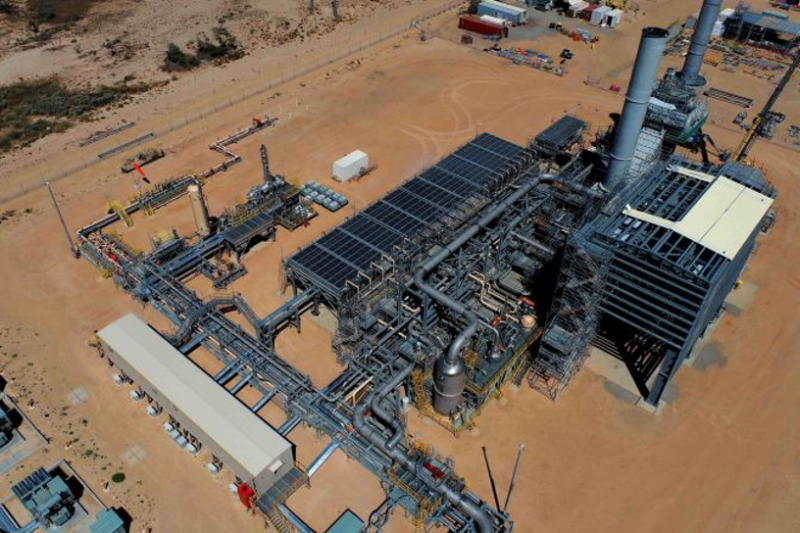
Image: Santos Moomba CCS facility
Powering the Future seminar #4
About this event
The fourth seminar in the Powering the Future series was presented by Dr. David Kearns from Global CCS Institute.
Carbon capture and storage (CCS) is increasingly recognised as essential to achieving net zero, particularly in hard-to-abate sectors such as cement, steel, chemicals and LNG. This seminar examined the role of CCS in Australia and the broader Asia-Pacific region, where industrial emissions, energy demand growth and existing infrastructure make carbon management especially important. The presentation outlined why most credible climate pathways include large-scale CCS deployment, and how the technology is evolving alongside broader decarbonisation efforts.
The seminar also explored recent advances in CCS policy, deployment and technology development across Australia and the region, including new projects, carbon management hubs and cross-border collaboration. Alongside this progress, it will address the major barriers still limiting deployment — including policy uncertainty, investment and infrastructure challenges, and the need for stronger market incentives. The discussion concluded with a practical assessment of what is needed to accelerate CCS deployment and strengthen Australia’s role as a regional leader in carbon management.
View the recording and presentation slides
Speaker
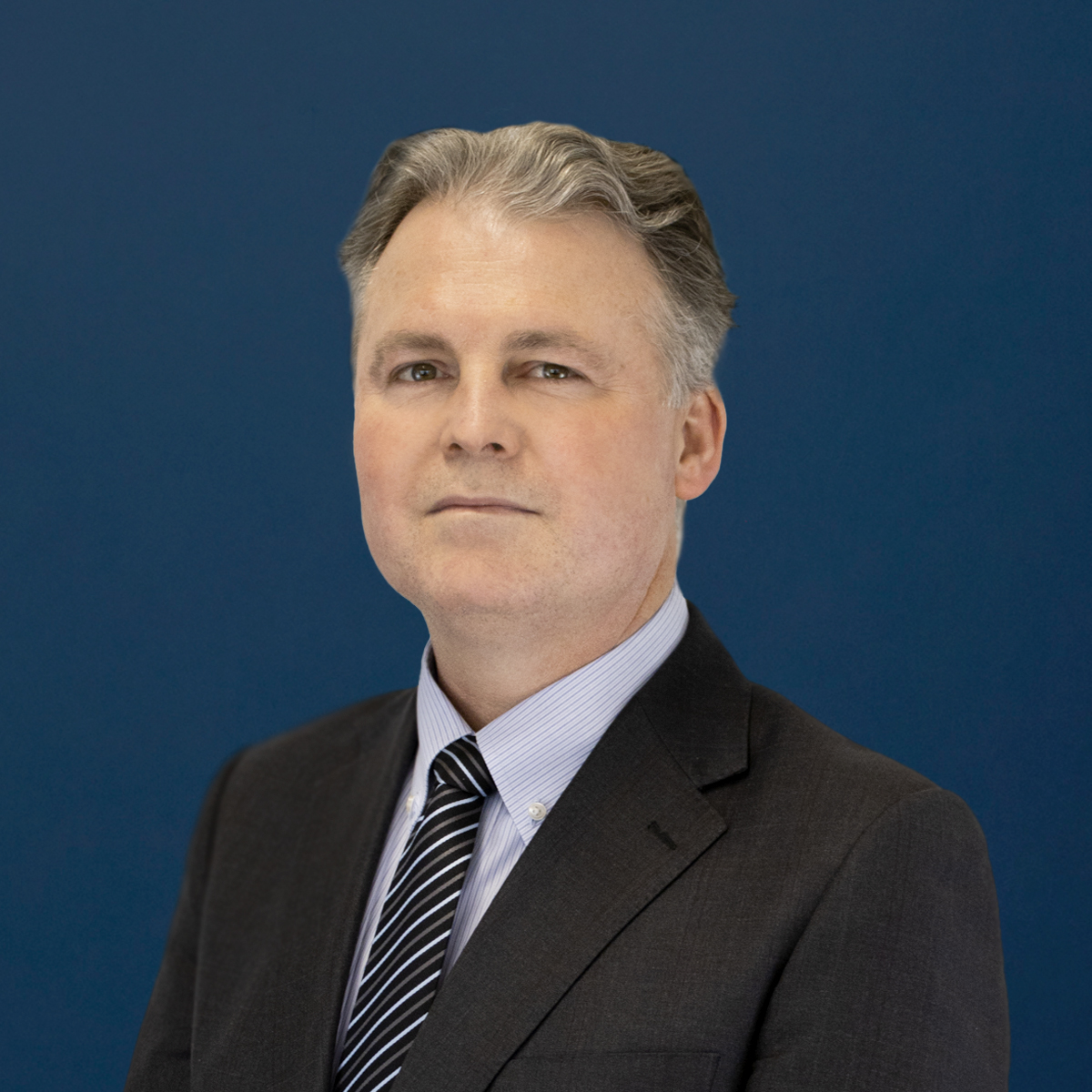
Dr. David Kearns
Country Manager Australia and New Zealand
Global CCS Institute
David has over 25 years of experience across the energy, industrial and research sectors, including consulting, engineering design, research and plant operations. As a technical specialist in CO2 capture technologies, he has advised government, industrial and finance sector members and clients around the world on the technical, economic and strategic aspects of deploying CCS. He has authored multiple thought leadership publications on CCS technologies and published multiple research papers on pressure swing adsorption, a technology used in CO2 capture. David holds a PhD in Chemical Engineering, a Bachelor of Engineering with Honours in Chemical Engineering, a Bachelor of Commerce from Monash University. He is also a Fellow of the Australian Institute of Energy.
Moderator
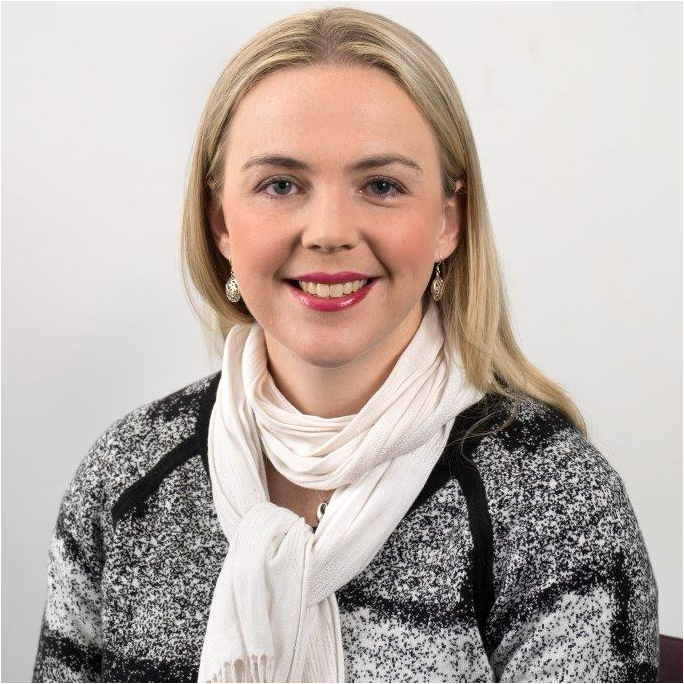
Professor Kathryn Mumford
Head of Department, Chemical Engineering
Program Leader - Heavy Industry and Resources, Melbourne Energy Institute
University of Melbourne
Kathryn's research interests are in the areas of separations processes specifically ion exchange, solvent absorption and solvent extraction technologies. These interests range from the manufacture of novel materials, to the development of novel thermodynamic models to predict performance, and onto large scale implementation in the mining, energy, environmental and wastewater processing fields. Kathryn currently teaches in the Masters of Engineering (Chemical) program, namely Chemical Engineering Management and Heat and Mass Transport Processes subjects.

About MEI's Powering the Future Seminar Series
Bringing together leading researchers and industry experts, MEI’s Powering the Future seminar series will explore the key technological, political and societal developments shaping the energy sector.
Designed for energy industry professionals, government stakeholders, students, and academics, the seminars aim to foster informed discussion across technical, economic and policy dimensions of the energy transition. Each session will be delivered in a hybrid format, allowing participants to attend in person or join online.
Read more about the seminars, and sign up to be notified when the seminars are open for registration.
Disclaimer: The views and opinions expressed are those of the presenter and do not necessarily reflect the official position of The Melbourne Energy Institute and The University of Melbourne.
The Melbourne Energy Institute welcomes broad discussion. Please engage respectfully and considerately with all perspectives.